EcoKuku
Incubators Chicks Equipment Why Us Learning Hub ๐Ÿ“… Book a Farm Visit ๐Ÿ“ž +254 710 905 696
Commercial Layers

Isa Brown & Isinya Commercial Layers

Kenya's highest-producing egg layer breeds. Purpose-bred for commercial egg farming โ€” not backyard keeping. If eggs are your business, these are your birds.

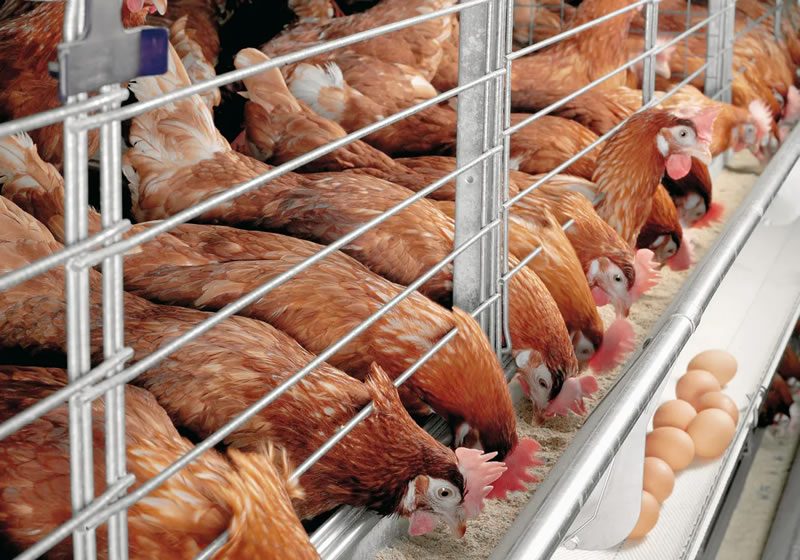
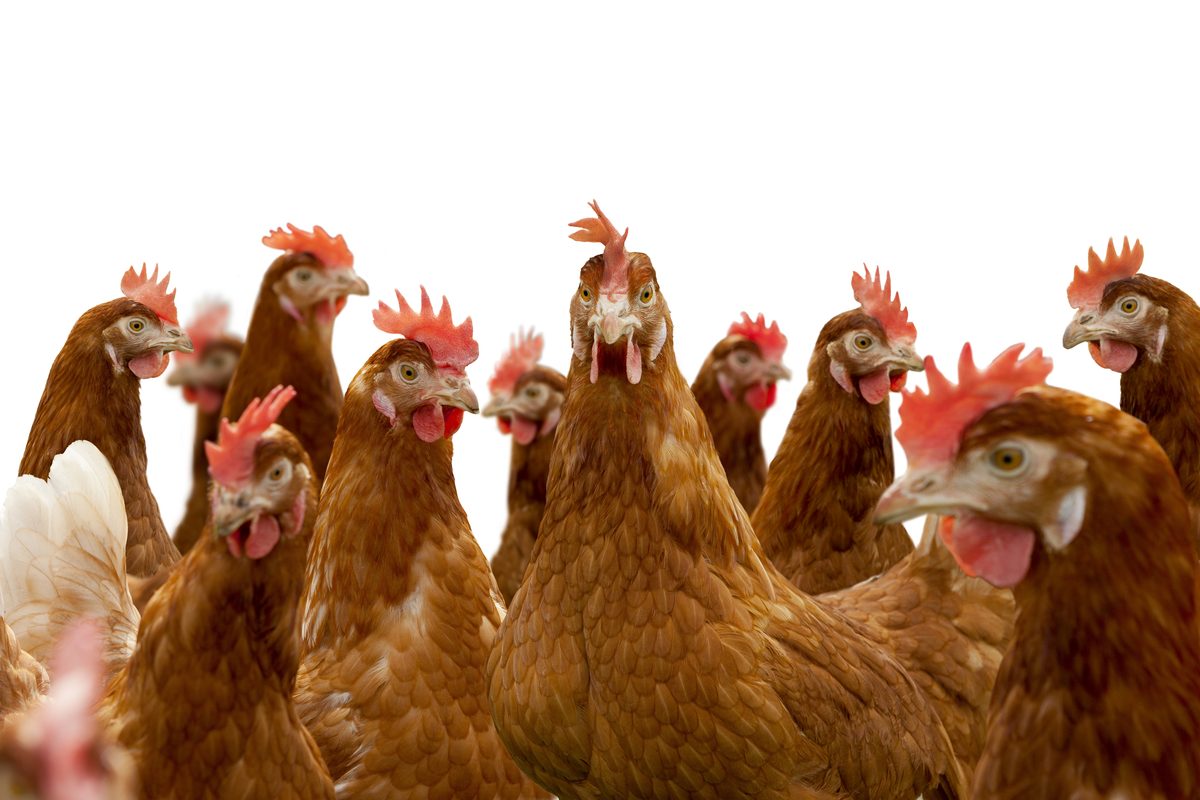
Isa Brown commercial layer hens Kenya โ€” EcoKuku Farm Ltd
300+
Eggs per year
18โ€“22
Weeks to lay
2 yrs
Laying lifespan
1.8 kg
Mature weight
Breed Guide

Isa Brown vs Isinya โ€” Which One Is Right For You?

Both are commercial layers. The difference is your farming system.

Isa Brown commercial layer hens Kenya
French Hybrid ยท Cage System

Isa Brown

The world's most popular commercial layer breed. Bred in France specifically for maximum egg output in cage systems. An Isa Brown hen will give you 300โ€“320 eggs per year โ€” roughly one egg per day for her entire laying life. The eggs are large, brown, and consistent in quality. This is the breed you see in large-scale commercial farms across Kenya and the world. She is not designed for free-range โ€” she is designed for a cage with automatic water, layers mash, and 14โ€“16 hours of light. Give her those conditions and she will perform like a machine.

300โ€“320 eggs per year โ€” top commercial producer
Large brown eggs, excellent shell strength
Starts laying at 18โ€“20 weeks
Best in battery cages with automatic water systems
Calm temperament โ€” low stress in cage environments
Isinya commercial layer hens Kenya
Kenya-Adapted ยท Semi-Intensive

Isinya

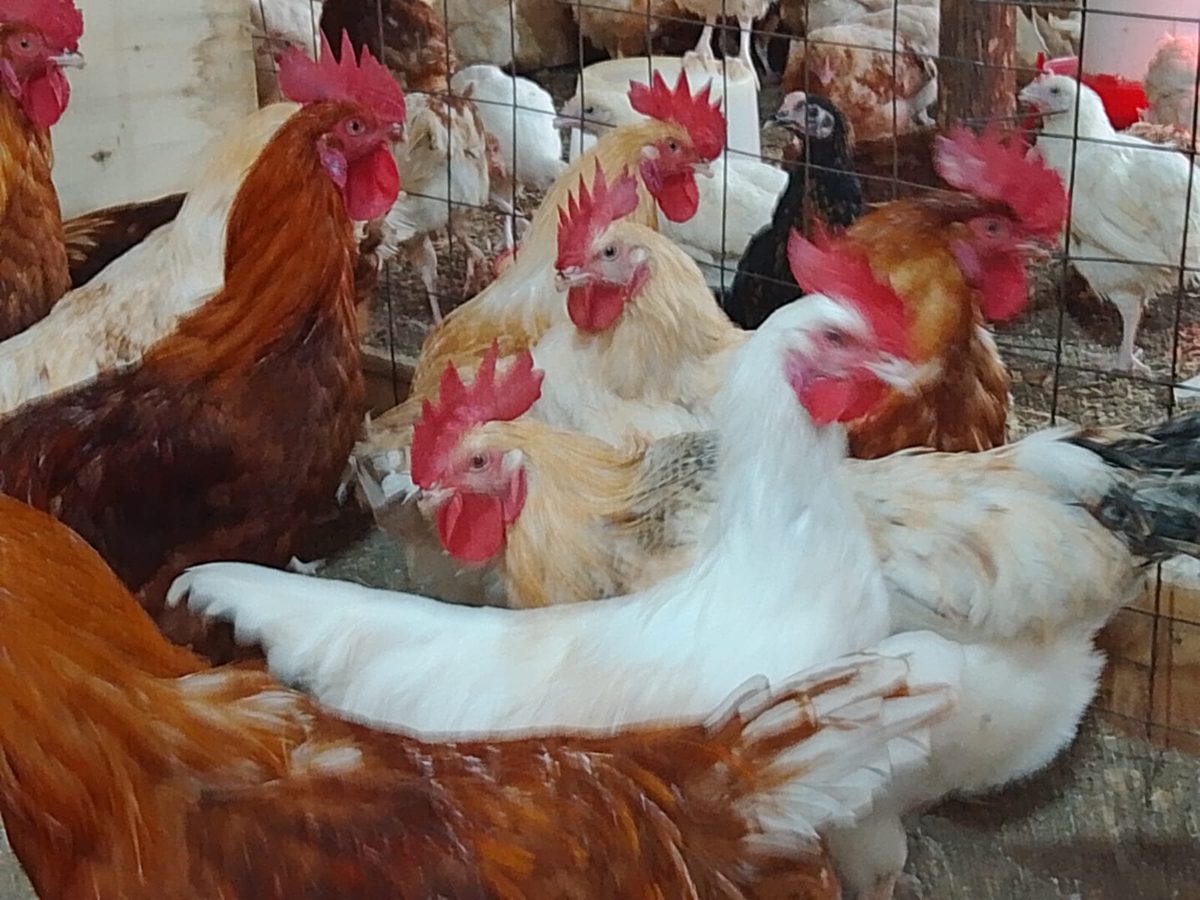
Developed for Kenyan conditions. The Isinya is a commercial layer that brings close to Isa Brown performance but with better heat tolerance and slightly stronger disease resistance for East African environments. If you are farming in a hot region โ€” Coast, Rift Valley lowlands, or a poorly ventilated house โ€” Isinya handles the heat better than Isa Brown without the same drop in production. She works well in both cage and semi-intensive floor systems. She lays 280โ€“300 eggs per year under good management. A serious commercial bird for the Kenyan climate.

280โ€“300 eggs per year โ€” near-commercial performance
Better heat tolerance than Isa Brown
Works in cage or semi-intensive floor systems
Starts laying at 20โ€“22 weeks
Developed for East African farming conditions
Prices

Commercial Layer Prices โ€” Isa Brown & Isinya

๐Ÿ“…
Day-Old Chicks Only โ€” Available Tuesdays & Thursdays
We sell commercial layer chicks at day-old only. Batches are available every Tuesday and Thursday. Call ahead to reserve your batch โ€” popular sizes sell out fast. Same price applies to both Isa Brown and Isinya.
Improved Kienyeji
Kuroiler ยท Kari ยท Sasso ยท Rainbow
Day OldKShs 110
1 Week OldKShs 150
2 Weeks OldKShs 200
3 Weeks OldKShs 250
1 Month OldKShs 300
Commercial Layers
Isa Brown & Isinya
Day Old Tue & ThuKShs 110
1 Week OldKShs 200
2 Weeks OldKShs 250
3 Weeks OldKShs 300
1 Month OldKShs 350
2 Months OldKShs 600
3 Months OldKShs 750
4 Months OldKShs 800
5 Months OldKShs 850
Management Guide

How to Keep Commercial Layers Profitably

Most farmers who fail with commercial layers fail because of management โ€” not the breed. Here is exactly what to do.

Layer chick brooding Kenya
Week 1โ€“8 ยท Brooding Phase

Brooding Commercial Chicks

Commercial layer chicks are more sensitive than kienyeji during brooding. Start at 33ยฐC and drop 3ยฐC each week. Never let temperature fall below 18ยฐC at night โ€” cold nights in the first 3 weeks kill more commercial chicks than any disease. Use a gas brooder or electric coil for reliability. Provide high-protein chick mash (20โ€“22% protein) for the first 8 weeks. Vaccinate for Newcastle at day 7 via eye drop, Gumboro at day 14 in water, Gumboro booster at day 21, Newcastle booster at day 28. These four vaccinations are not optional โ€” skip any one and you risk losing the entire flock.

33ยฐC at day 1 โ€” drop 3ยฐC per week
Chick mash 20โ€“22% protein for first 8 weeks
Newcastle day 7 ยท Gumboro day 14 & 21 ยท ND booster day 28
Marek's disease vaccine at day 1 for commercial flocks
Battery cages for commercial layers Kenya
Week 8โ€“18 ยท Grower Phase

Growing to Point of Lay

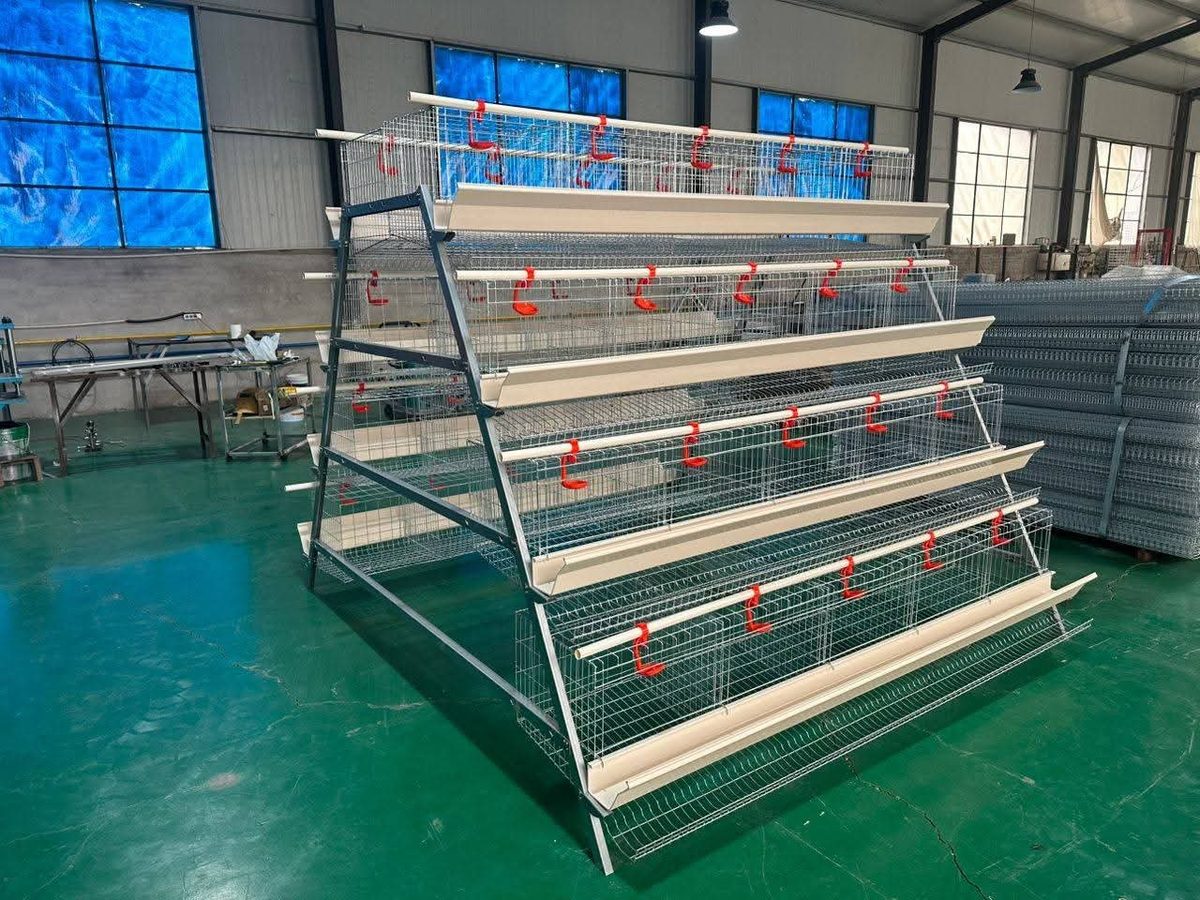
From 8 weeks, switch to grower mash (16% protein, low calcium). This phase is about building the body that will lay eggs โ€” do not rush it with high-protein feed. Move birds to battery cages at 16 weeks so they settle before laying begins. Cage density: 4 hens per compartment in an A-type or H-type battery cage. Too many birds per cage = stress = fewer eggs. Install nipple drinkers โ€” water must always be available. Restrict light to 8 hours per day during grower phase to prevent early lay, which shortens the overall laying period.

Grower mash 16% protein โ€” weeks 8 to 18
Move to battery cages at 16 weeks
4 hens per cage compartment maximum
8 hours light during grower phase โ€” prevent early lay
Commercial layers in full production Kenya
Week 18โ€“80 ยท Production Phase

Peak Lay to End of Cycle

At 18โ€“22 weeks your hens will start laying. In the first 4 weeks of lay, production ramps up to 90โ€“95% (meaning 95 out of every 100 hens are laying every day). This is peak production. Switch immediately to layers mash with 16โ€“18% protein and 3.5โ€“4% calcium โ€” calcium is what makes strong shells. Provide 14โ€“16 hours of light per day using a timer. Collect eggs twice daily โ€” morning and afternoon. Hens left on eggs go broody and stop producing. Keep water and feed in front of birds at all times. A layer that runs out of water for even 4 hours can take up to 2 weeks to recover full production. Maintain this system and your Isa Brown will give you 300+ eggs per bird per year.

Layers mash 16โ€“18% protein + 3.5โ€“4% calcium
14โ€“16 hours light per day via timer
Collect eggs twice daily โ€” morning and afternoon
Water available at all times โ€” 4hr outage kills production
Cull non-layers at week 72โ€“80 and start new flock
What Kills Layers
The mistakes most farmers make
Warning ยท Common Mistakes

What Kills Your Egg Production

Feeding chick mash to laying hens โ€” the low calcium causes thin shells and kidney damage. Running out of water even for a few hours โ€” layers stop production and take weeks to restart. Poor ventilation โ€” ammonia from droppings causes respiratory disease and stress. Overcrowding cages โ€” more than 4 hens per compartment drops production significantly. Inconsistent light โ€” changing your lighting schedule by even one hour causes a production dip. Mixing ages โ€” younger birds stressed by older birds lay fewer eggs and eat more feed. Commercial layers are high-performance animals. They will reward you if you manage them precisely. If you cannot commit to daily management discipline, consider a more forgiving breed like Kari or Kuroiler.

Never feed chick mash to laying hens
Water outages are the #1 production killer
Max 4 hens per cage compartment
Keep lighting schedule consistent โ€” use a timer

Ready to start your layer flock?

Call us to confirm current availability of Isa Brown and Isinya chicks. Free delivery to all 47 counties.

See All Breeds