EcoKuku
Incubators Chicks Equipment Why Us Learning Hub 📅 Book a Farm Visit 📞 +254 710 905 696
Day-Old Chicks · Available Weekly

Sasso Chicks for Sale in Kenya — Prices & Free Delivery 2026

The premium French heritage breed now available in Kenya. Sasso chickens produce exceptional quality meat that commands higher prices in restaurants, supermarkets and high-end markets — the breed for farmers targeting quality over volume.

180+
Eggs per year
3–4 kg
Mature weight
12–16 wks
To market size
Premium
Meat quality
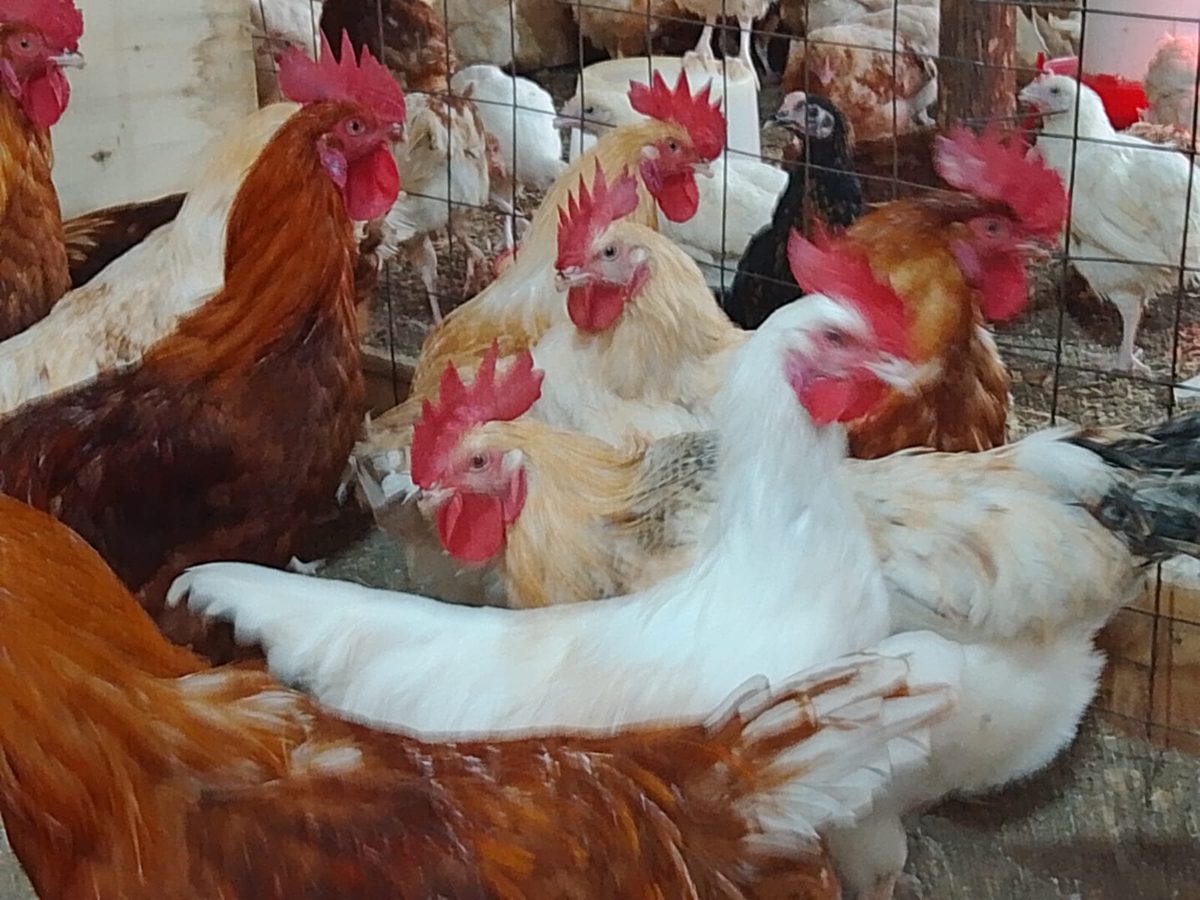
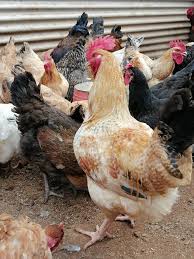
Mature Sasso chicken Kenya — EcoKuku Farm Ltd
🐓
About the Sasso Breed

Why premium farmers choose Sasso

Sasso is a French heritage poultry breed developed by Sasso Genetics (part of the Grimaud group) and now produced under licence across Africa. It is a dual-purpose bird famous for producing chicken meat with a flavour profile closer to free-range traditional chicken than commercial broiler — firmer texture, richer taste, and a natural yellow-to-red skin colour that commands premium prices. In Kenya, Sasso is the preferred breed for farmers supplying restaurants, hotels and upmarket supermarkets.

180+
Eggs per Year
3–4 kg
Mature Weight
12–16 wks
To Market Size
Premium meat quality — firm texture, rich flavour
Natural reddish-yellow skin colour — preferred in upmarket sales
Dual-purpose: high-quality meat and 180+ eggs/year
Slower growth than broilers — better flavour development
Performs well in free-range and semi-intensive systems
From certified EcoKuku parent stock
Current Prices — All Ages
1 Day OldKShs 110
1 Week OldKShs 150
1 Month OldKShs 300
2 Months OldKShs 550
3 Months OldKShs 700
📅 See Them on the Farm
Growth Timeline

Sasso Growth Stages — What to Expect

Understanding each growth stage helps you feed, vaccinate and manage your birds correctly — which directly determines your profit.

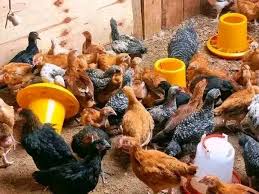
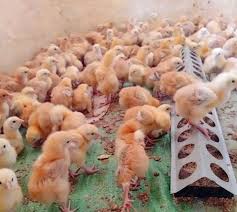
Sasso chicks at 1 week old Kenya
Week 1–4 · Brooding Phase

Day-Old to 1 Month

Sasso chicks are robust in the brooder compared to commercial broilers. Follow standard brooding protocol: 33°C at day 1, reducing 3°C per week. Feed quality chick mash and vaccinate on schedule. The Sasso breed tolerates temperature variation better than exotic commercial breeds.

Feed: Chick mash (18–20% protein)
Heat: 33°C week 1, reduce weekly
Vaccinate: Newcastle day 7, Gumboro week 3
More heat-tolerant than commercial broilers
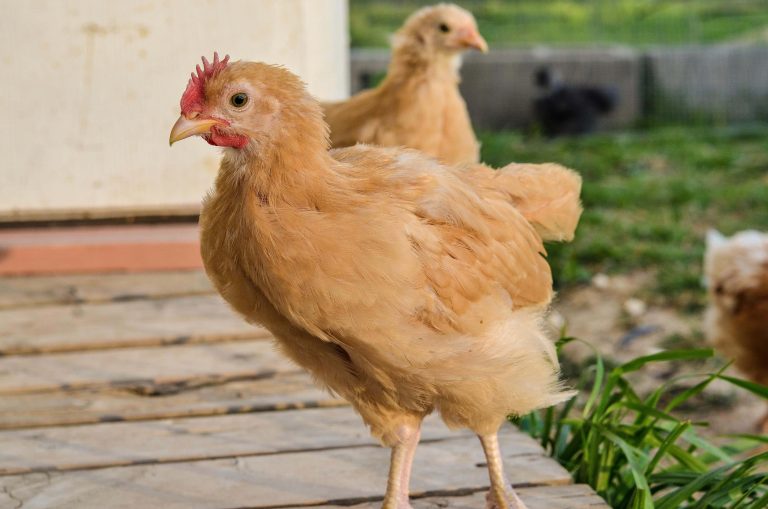
Sasso chickens at 2 months old Kenya
Week 5–16 · Growing Phase

1 Month to Market Size

Sasso's slower, more natural growth rate is what gives the meat its superior flavour and firmer texture. Birds reach market weight at 12–16 weeks — longer than commercial broilers but producing meat that sells for 20–40% more per kg in premium markets. Free-range finishing in the last 4 weeks further enhances flavour.

Feed: Growers mash week 8 onwards
Market weight at 12–16 weeks (2.5–3.5 kg)
Free-range finishing improves flavour further
Premium pricing vs commercial broilers in hotel/restaurant market
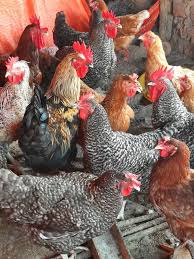
Point of lay hens — Month 5+ laying phase
Month 5+ · Laying Phase

Point of Lay to Full Production

Hens typically reach point of lay at 20–24 weeks. Once in production, ensure layers mash with adequate calcium for strong shells. Maintain 14 hours of light per day to sustain lay rates. Collect eggs twice daily to prevent brooding behaviour.

Feed: Layers mash with 3.5% calcium
Provide oyster shell or limestone grit
14 hours light maintains lay rate
Collect eggs twice daily
Common Questions

Sasso FAQs — Answered

The questions we get asked most often about this breed — answered honestly.

Sasso day-old chicks cost KShs 120 from EcoKuku Farm. Older chicks: KShs 300 at 1 month, KShs 550 at 2 months, KShs 700 at 3 months. All prices include free delivery to all 47 counties.
Sasso meat has a firmer texture and richer flavour than commercial broilers because the birds grow more slowly and move more. The natural yellow-to-reddish skin colour is also preferred by premium buyers. Restaurants and hotels typically pay 20–40% more per kg for Sasso compared to standard broiler chicken.
Sasso chickens reach a marketable weight of 2.5–3.5 kg at 12–16 weeks. This is longer than commercial broilers (6–8 weeks) but produces superior meat quality. The slower growth is intentional — it is what gives Sasso its premium flavour.
Sasso is primarily a meat breed but hens lay 150–200 eggs per year — respectable production for a dual-purpose bird. If your main goal is eggs, Kari Improved Kienyeji (up to 280 eggs/year) is a better choice. If your goal is premium meat with reasonable egg production, Sasso is excellent.
Sasso is best sold to restaurants, hotels, lodges, supermarkets (Carrefour, Naivas premium lines) and direct-to-consumer through WhatsApp or social media. The premium flavour commands a higher price than standard broiler chicken. Building direct relationships with hotel chefs and restaurant buyers is the most profitable route.
Yes — but only if you have the right buyers. Sasso is highly profitable when sold into premium markets: Nairobi restaurants, hotel kitchens, quality butcheries and supermarkets that pay KShs 800–1,200 per bird versus the KShs 400–600 a standard bird fetches in open markets. The bird's slower growth (12–16 weeks versus broiler's 6 weeks) means higher feed costs, but the price premium more than compensates in the right market. Before ordering your first Sasso batch, confirm at least 2–3 premium buyers who will take your birds at agreed prices.
Sasso roosters typically reach 3.5–5 kg at 12–16 weeks under semi-intensive management with high-protein commercial feed. Free-range systems with partial foraging will extend this to 16–20 weeks but produce more flavourful meat that commands even higher prices in quality markets. The slower growth is intentional — it is what creates the distinctive firm texture and depth of flavour that Sasso is known for. Do not try to rush Sasso growth with maximum protein inputs — you will get broiler-like results and lose the premium.
The main differences: Sasso is heavier (3.5–5 kg versus Kuroiler's 3–4 kg), slower growing (12–16 weeks versus 10–12), and produces superior-flavoured meat that commands restaurant premiums. Kuroiler is more disease-resistant in rough free-range conditions and lays more eggs (150–200/year versus Sasso's 120–160). Choose Sasso if your primary income is premium meat sold to quality-conscious buyers. Choose Kuroiler if you are in a mixed free-range system where disease resilience and dual income from eggs and meat matter more than maximum meat weight.
From EcoKuku Farm Ltd: Day-old (1 day) KShs 110. Day-old (2 days) KShs 150. 1-month-old KShs 300. 2-months-old KShs 550. 3-months-old KShs 700. All prices include free delivery to all 47 counties. Call +254 710 905 696 to confirm availability and place your order.
In-Depth Guide

Everything You Need to Know About Sasso Farming in Kenya

Origin

What Is the Sasso Breed?

Sasso (Label Rouge) is a French dual-purpose breed developed by Sasso Genetics, originally for the premium free-range chicken market in France. It is characterised by its red plumage, yellow skin and exceptional meat flavour — qualities that command price premiums in quality-conscious markets. In Kenya, Sasso has become the preferred breed for farmers supplying Nairobi restaurants, supermarkets and high-end butcheries that pay for real flavour over size.

Meat Quality and Markets

Why Sasso Commands Premium Prices

Slower growth = firmer texture and deeper flavour than broilers
Yellow skin preferred by premium and export market buyers
Nairobi restaurants pay KShs 800–1,200 per Sasso bird
Supermarkets stock Sasso at 2–3× broiler shelf price
Smaller volumes, higher margins — ideal for boutique farming
Growth and Feeding

Raising Sasso to Market Weight

Target weight: 3.5–5 kg at 12–16 weeks
Weeks 1–4: Chick mash 20% protein — 20–30g/bird/day
Weeks 5–10: Growers mash 18% protein — 70–100g/bird/day
Weeks 10–16: Finisher mash 16% protein — 120–150g/bird/day
Semi-intensive system gives best weight gain and flavour balance
Profitability

Sasso Income Calculation

100 birds × 90% survival = 90 birds to market
90 birds × 4 kg avg × KShs 600/kg live = KShs 216,000 gross
Feed cost 16 weeks × 100g/day × KShs 60/kg = KShs 6,720/bird
Net at premium price: KShs 800–1,200/bird margin above standard
Best market: identify buyers before you hatch — demand-led farming
🍽️
The Sasso market reality in Kenya: Sasso farming is only profitable if you have the right buyer lined up before you start. Cold-call 3–5 Nairobi restaurants, hotel kitchens or high-end butcheries before ordering your first batch. Once you have a confirmed buyer at KShs 800+ per bird, the numbers work significantly better than selling into the open market at commodity prices.
Other Breeds

Compare all our breeds

Not sure this is the right breed for your farm? Compare with our other options.

Kari Improved Kienyeji chicks Kenya

Kari Improved Kienyeji

Kenya's best egg layer. Up to 280 eggs/year. Locally developed.

View Kari Chicks →
Free Guides

Learn more in our Learning Hub

Detailed guides on hatching, feeding, vaccination schedules, profitability calculations and breed comparisons — all free, no sign-up required.

Ready to order Sasso chicks?

The premium breed for high-value markets. Call to reserve your batch and get free delivery countrywide.