EcoKuku
Incubators Chicks Equipment Why Us Learning Hub 📅 Book a Farm Visit 📞 +254 710 905 696
Day-Old Chicks · Available Weekly

Kari Improved Kienyeji Chicks for Sale in Kenya — Prices 2026

Kenya's highest-laying local breed. Developed by the Kenya Agricultural Research Institute specifically for Kenyan conditions — outstanding egg production with the hardiness of a Kienyeji bird.

Up to 280
Eggs per year
2.5–3 kg
Mature weight
5–6 months
To point of lay
Layer+
Best egg breed
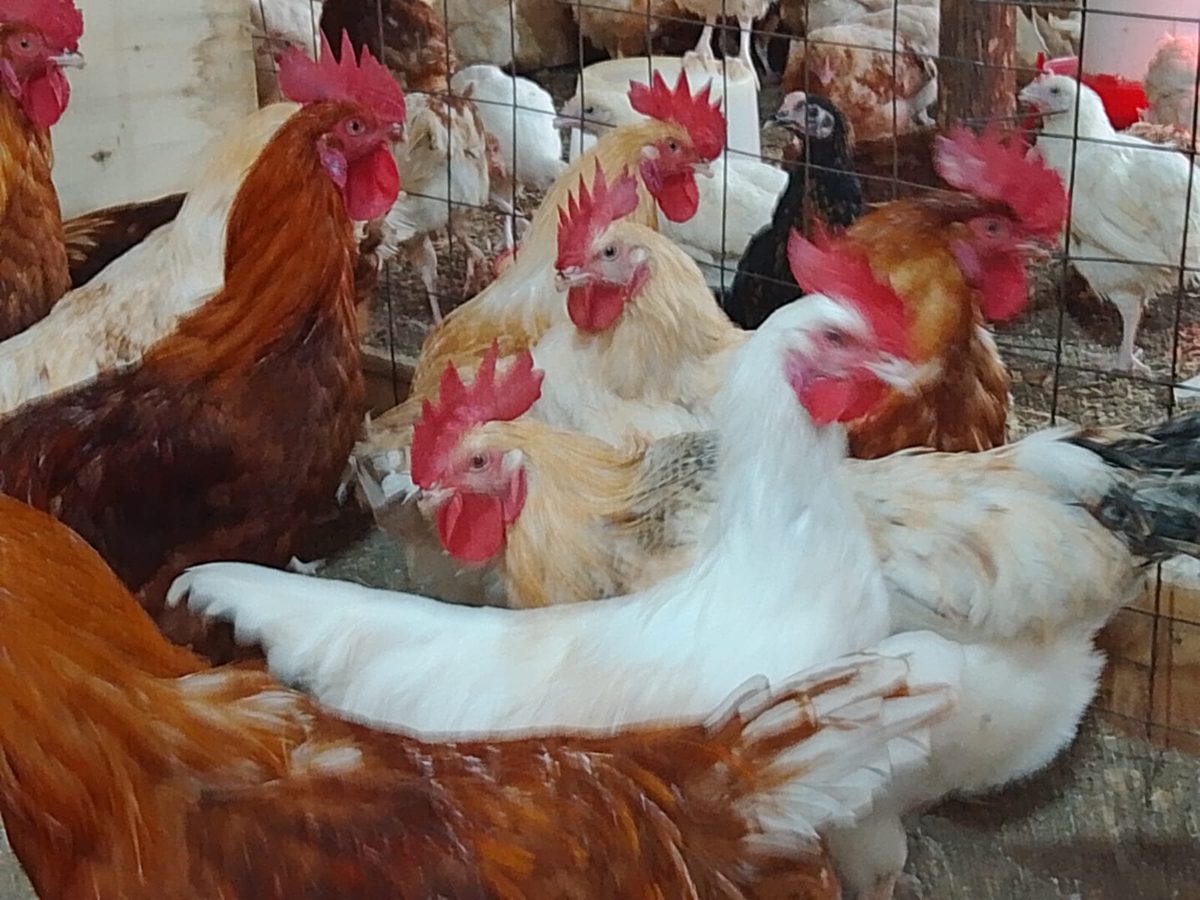
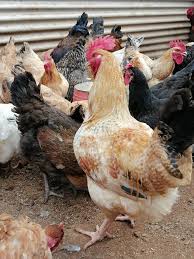
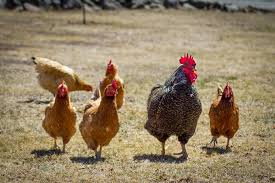
Mature Kari Improved Kienyeji chicken Kenya — EcoKuku Farm Ltd
🐓
About the Kari Breed

Why egg farmers choose Kari Improved Kienyeji

The Kari Improved Kienyeji was developed by the Kenya Agricultural and Livestock Research Organisation (KALRO, formerly KARI) through selective breeding of the best indigenous Kenyan chickens. The result is a bird that looks and behaves like a Kienyeji — forages, resists disease, tolerates heat — but lays dramatically more eggs. It is the best egg-production breed available for Kenyan farmers who want indigenous character without sacrificing productivity.

Up to 280
Eggs per Year
2.5–3 kg
Mature Weight
5–6 months
To Point of Lay
Up to 280 eggs per year — Kenya's highest-laying local breed
Developed by KARI specifically for Kenyan conditions
Retains full Kienyeji hardiness and disease resistance
Thrives on local and home-mixed feeds
Performs in free-range, semi-intensive and intensive systems
From certified EcoKuku parent stock
Current Prices — All Ages
1 Day OldKShs 110
1 Week OldKShs 150
1 Month OldKShs 300
2 Months OldKShs 550
3 Months OldKShs 700
📅 See Them on the Farm
Growth Timeline

Kari Improved Kienyeji Growth Stages — What to Expect

Understanding each growth stage helps you feed, vaccinate and manage your birds correctly — which directly determines your profit.

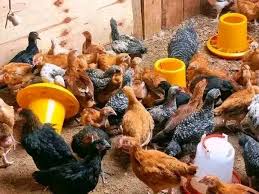
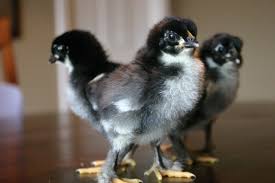
Kari Improved Kienyeji chicks day old Kenya
Week 1–4 · Brooding Phase

Day-Old to 1 Month

Kari chicks are hardy but still need proper brooding. Maintain 33°C at day 1 and reduce by 3°C per week. Feed high-protein chick mash and ensure clean water at all times. Vaccinate on schedule — Kari chicks respond well to the standard Kenyan vaccination programme.

Feed: Chick mash (18–20% protein)
Heat: 33°C week 1, reduce weekly
Vaccinate: Newcastle day 7, Gumboro week 3
Strong early immune system — lower losses than exotic breeds
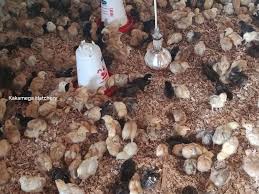
Kari chicks at 1 week old Kenya
Week 5–20 · Growing to Lay

1 Month to Point of Lay

Kari birds feather quickly and begin foraging by week 6. Transition to growers mash at week 8. The Kari breed is notably efficient at converting feed to eggs — you get more eggs per kg of feed than most other local breeds. Expect point of lay at 20–24 weeks.

Feed: Growers mash week 8–20, layers mash at lay
Point of lay: 20–24 weeks
Peak lay rate: 70–80% at best conditions
Efficient feed conversion — low cost per egg
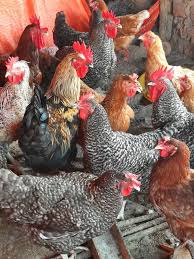
Point of lay hens — Month 5+ laying phase
Month 5+ · Laying Phase

Point of Lay to Full Production

Hens typically reach point of lay at 20–24 weeks. Once in production, ensure layers mash with adequate calcium for strong shells. Maintain 14 hours of light per day to sustain lay rates. Collect eggs twice daily to prevent brooding behaviour.

Feed: Layers mash with 3.5% calcium
Provide oyster shell or limestone grit
14 hours light maintains lay rate
Collect eggs twice daily
Common Questions

Kari Improved Kienyeji FAQs — Answered

The questions we get asked most often about this breed — answered honestly.

Kari day-old chicks cost KShs 120 (1-day-old) from EcoKuku Farm. Older: KShs 300 at 1 month, KShs 550 at 2 months, KShs 700 at 3 months. Free delivery to all 47 counties is included.
Well-managed Kari hens lay up to 280 eggs per year — significantly more than Kuroiler (150–200) and far more than unimproved Kienyeji (40–60). This makes Kari the best choice for farmers whose primary goal is egg production.
Kari Improved Kienyeji is a breed developed by the Kenya Agricultural and Livestock Research Organisation (KALRO, formerly KARI) through selective breeding of indigenous Kenyan chickens. It combines Kienyeji hardiness with dramatically improved egg-laying performance.
Kari was developed locally in Kenya and lays more eggs (up to 280/year vs 150–200 for Kuroiler). Kuroiler was developed for extreme hardiness in village free-range conditions. Both are dual-purpose, but Kari is the better egg layer while Kuroiler is tougher in harsh free-range environments.
Kari chickens thrive on the standard three-stage commercial programme (chick mash, growers, layers). They also do very well on home-mixed feeds of maize, sunflower cake and mineral premix. In free-range systems they supplement their diet with foraging, which cuts feed costs significantly.
Kari Improved Kienyeji is a selectively bred improvement on ordinary Kienyeji — same local genetics, dramatically better productivity. Ordinary Kienyeji lays 40–60 eggs per year and takes 6–8 months to reach a small market weight. Kari Improved Kienyeji lays up to 280 eggs per year while retaining the Kienyeji's hardiness, disease resistance and foraging ability. Both are "Kienyeji" but Kari has been scientifically improved at KARI (now KALRO) over many breeding generations. For any serious poultry farmer, Kari outperforms ordinary Kienyeji in every measurable income metric.
Kari hens typically reach point of lay at 22–24 weeks (5.5–6 months) under good management. To achieve this timeline: feed high-protein growers mash throughout the growing phase, ensure adequate light (14 hours per day — supplement with artificial light in shorter days), and transition to layers mash with added calcium at 20 weeks before laying begins. Hens that are underfed or stressed during the growing phase may lay as late as 28–30 weeks.
Broodiness (sitting on eggs and stopping laying) costs you production days. Prevent it by: collecting eggs twice daily so hens cannot accumulate a clutch. Ensure adequate lighting — 14 hours per day discourages broodiness. If a hen goes broody, remove her from the nest and isolate her in a wire-floor cage for 3–5 days (the airflow disrupts the hormonal cycle that drives broodiness). Do not allow a broody hen to sit — she will stop laying for 3–6 weeks and may drag other hens into broodiness.
From EcoKuku Farm Ltd: Day-old (1 day) KShs 110. Day-old (2 days) KShs 150. 1-month-old KShs 300. 2-months-old KShs 550. 3-months-old KShs 700. All prices include free delivery to all 47 counties. Call +254 710 905 696 to check current flock availability and reserve your batch.
In-Depth Guide

Everything You Need to Know About Kari Farming in Kenya

Origin and Development

What Is the Kari Improved Kienyeji?

The Kari Improved Kienyeji was developed by the Kenya Agricultural Research Institute (KARI, now KALRO) through selective breeding of indigenous Kienyeji chickens over many generations. Unlike Kuroiler and Sasso which are foreign hybrids adapted to Kenya, Kari is 100% Kenyan — bred from local stock to perform under Kenyan conditions while producing eggs at commercial scale. It is the only KARI-certified improved indigenous breed in Kenya.

Egg Production

Maximising Kari Egg Output

Peak production: up to 280 eggs/year under optimal management
Point of lay: 22–24 weeks (5.5–6 months)
Feed layers mash with 16–18% protein and 3.5% calcium
Maintain 14 hours light per day — artificial light in short days
Collect eggs twice daily to prevent broodiness
Provide oyster shell or limestone grit at all times
Feeding for Eggs

Optimal Feed Rations for Kari Hens

Chicks (0–4 weeks): Chick mash 20% protein — 15–25g/bird/day
Growers (5–20 weeks): Growers mash 16% protein — 50–80g/bird/day
Layers (21 weeks+): Layers mash + calcium — 120–130g/bird/day
Home-mix option cuts cost 30–50% (see Learning Hub formula)
Water: 200–300ml per hen per day minimum
Profitability

Kari Egg Farm Income Calculation

250 eggs/year × KShs 15 farm gate = KShs 3,750/hen/year
100 hens = KShs 375,000 gross egg revenue/year
Feed cost: KShs 130g/day × 365 × KShs 60/kg ≈ KShs 2,847/hen/year
Net per hen: approximately KShs 900+ before other costs
Break-even flock: 30–40 hens for viable household income
🥇
Why Kari dominates egg production rankings in Kenya: No other locally adapted breed in Kenya produces more eggs per year than a well-managed Kari hen. At up to 280 eggs/year versus 40–60 for ordinary Kienyeji and 150–200 for Kuroiler, Kari is the clear choice for any farmer whose primary income is egg sales rather than meat.
Other Breeds

Compare all our breeds

Not sure this is the right breed for your farm? Compare with our other options.

Free Guides

Learn more in our Learning Hub

Detailed guides on hatching, feeding, vaccination schedules, profitability calculations and breed comparisons — all free, no sign-up required.

Ready to order Kari chicks?

Kenya's best egg-laying local breed. Call to reserve your batch and get free delivery to your door.